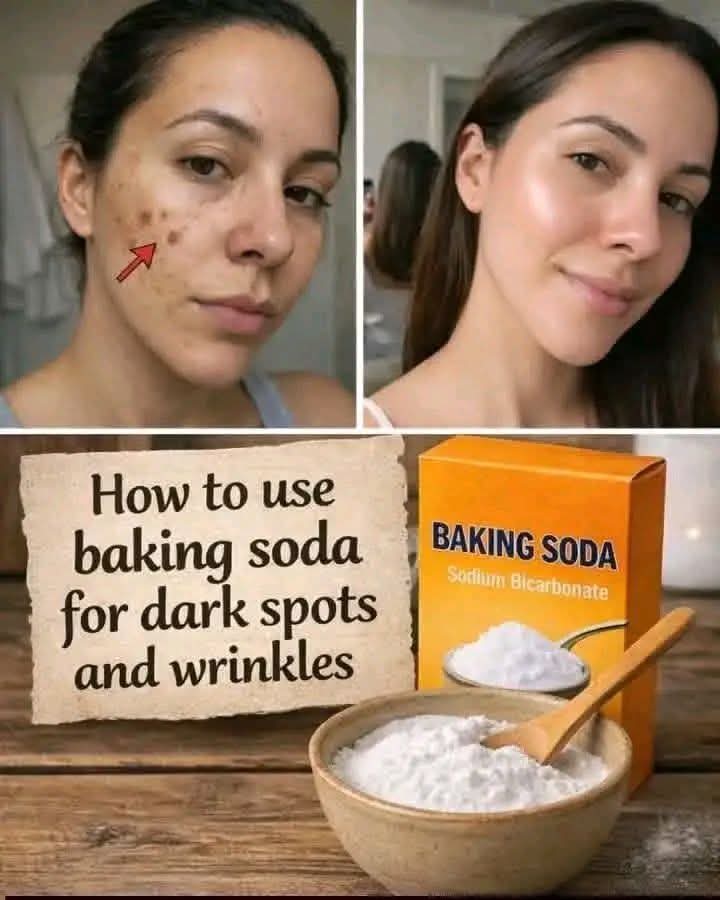
Baking Soda for Dark Spots and Wrinkles Does It Really Work A Complete Guide
In the world of natural skincare, few ingredients are as widely talked about as baking soda. From DIY face masks to exfoliating scrubs, this simple kitchen staple is often promoted as a miracle solution for dark spots and wrinkles. But does baking soda truly deliver the glowing, flawless skin seen in viral before-and-after images? Or could it actually do more harm than good?
In this comprehensive guide, we’ll explore the truth behind using baking soda for dark spots and wrinkles, how it affects your skin, safer alternatives, and expert-backed skincare tips to help you achieve radiant, healthy skin.
What Is Baking Soda and Why Is It Used in Skincare?
Baking soda, also known as sodium bicarbonate, is a fine white powder commonly used in cooking and cleaning. Its slightly abrasive texture and alkaline nature make it appealing for exfoliation and deep cleansing.
Many DIY skincare enthusiasts believe that baking soda can:
- Lighten dark spots
- Exfoliate dead skin cells
- Reduce wrinkles
- Brighten the complexion
While these claims may sound promising, it’s important to understand how baking soda actually interacts with your skin.
Can Baking Soda Remove Dark Spots?
Dark spots, also known as hyperpigmentation, are caused by excess melanin production. They can result from sun exposure, acne scars, aging, or hormonal changes.
Baking soda may help remove dead skin cells due to its exfoliating properties, which can temporarily make the skin appear brighter. However, it does not directly target melanin production, which is the root cause of dark spots.
The Reality
Using baking soda might give short-term results, but it is not an effective or scientifically proven treatment for hyperpigmentation. In some cases, it can even worsen dark spots due to irritation.
Does Baking Soda Reduce Wrinkles?
Wrinkles are a natural part of aging and are influenced by factors such as collagen loss, sun damage, and lifestyle habits.
Baking soda does not contain any anti-aging compounds like retinol, peptides, or antioxidants. While exfoliation can make the skin feel smoother temporarily, it does not reduce wrinkles or boost collagen production.
The Truth
There is no scientific evidence that baking soda can reduce wrinkles. In fact, frequent use may damage the skin barrier, leading to dryness and premature aging.
Why Baking Soda Can Be Harmful for Your Skin
This is where things get serious. Despite its popularity, baking soda is not recommended for regular facial use by dermatologists.
High pH Level
Your skin has a natural pH of around 4.5 to 5.5, which helps protect it from bacteria and environmental damage. Baking soda has a pH of around 9, making it highly alkaline.
Using it on your face can disrupt your skin’s natural barrier, leading to:
- Dryness
- Irritation
- Redness
- Increased sensitivity
Over-Exfoliation
Its gritty texture can be too harsh, especially for sensitive or acne-prone skin. Over-exfoliating can cause micro-tears and inflammation.
Risk of Worsening Skin Issues
Instead of improving your skin, baking soda may actually worsen:
- Dark spots (due to irritation)
- Acne (by disrupting the skin barrier)
- Wrinkles (by causing dryness)
Safer Alternatives for Dark Spots
If your goal is to achieve even-toned, glowing skin, there are far more effective and safer options than baking soda.
Vitamin C
A powerful antioxidant that brightens skin and reduces pigmentation.
Niacinamide
Helps regulate oil production and fade dark spots over time.
Alpha Hydroxy Acids (AHAs)
Gentle chemical exfoliants that remove dead skin cells and improve skin texture.
Sunscreen
Daily sun protection is essential to prevent dark spots from getting worse.
Best Ingredients for Wrinkle Reduction
Instead of relying on DIY remedies, consider ingredients that are scientifically proven to fight aging.
Retinol
Boosts collagen production and reduces fine lines.
Hyaluronic Acid
Hydrates and plumps the skin, making wrinkles less visible.
Peptides
Support skin repair and elasticity.
Antioxidants
Protect the skin from environmental damage.
If You Still Want to Try Baking Soda (Use With Caution)
If you’re curious and want to experiment, it’s important to use baking soda very carefully.
Gentle Method
- Mix a small amount of baking soda with water to form a paste
- Apply lightly to the skin (avoid sensitive areas)
- Leave for no more than 1 minute
- Rinse thoroughly and moisturize immediately
Important Tips
- Do not use more than once a week
- Always do a patch test
- Stop immediately if irritation occurs
Expert Skincare Tips for Clear, Youthful Skin
Achieving healthy skin doesn’t require harsh ingredients. Consistency and proper care are key.
Build a Simple Routine
- Cleanser (gentle)
- Moisturizer
- Sunscreen (daily)
Stay Hydrated
Drinking enough water helps maintain skin elasticity.
Eat a Balanced Diet
Foods rich in vitamins and antioxidants support skin health.
Avoid Harsh DIY Trends
Not everything you see online is safe or effective.
Common Myths About Baking Soda in Skincare
Myth 1: It’s Natural, So It’s Safe
Natural doesn’t always mean safe for your skin.
Myth 2: It Works Instantly
Any quick results are usually temporary and may come with damage.
Myth 3: It’s a Miracle Cure
There is no single ingredient that can solve all skin problems.
Conclusion
While baking soda is a versatile household ingredient, it is not a safe or effective solution for dark spots and wrinkles. Its high pH and abrasive nature can damage your skin barrier, leading to more harm than good.
For long-lasting and healthy results, it’s best to rely on proven skincare ingredients and a consistent routine. Your skin deserves gentle care, not harsh experiments.
If you’re serious about improving your skin, consider consulting a dermatologist and investing in products designed specifically for your skin type.
In the end, glowing skin isn’t about quick fixes—it’s about smart, informed choices and consistent care.