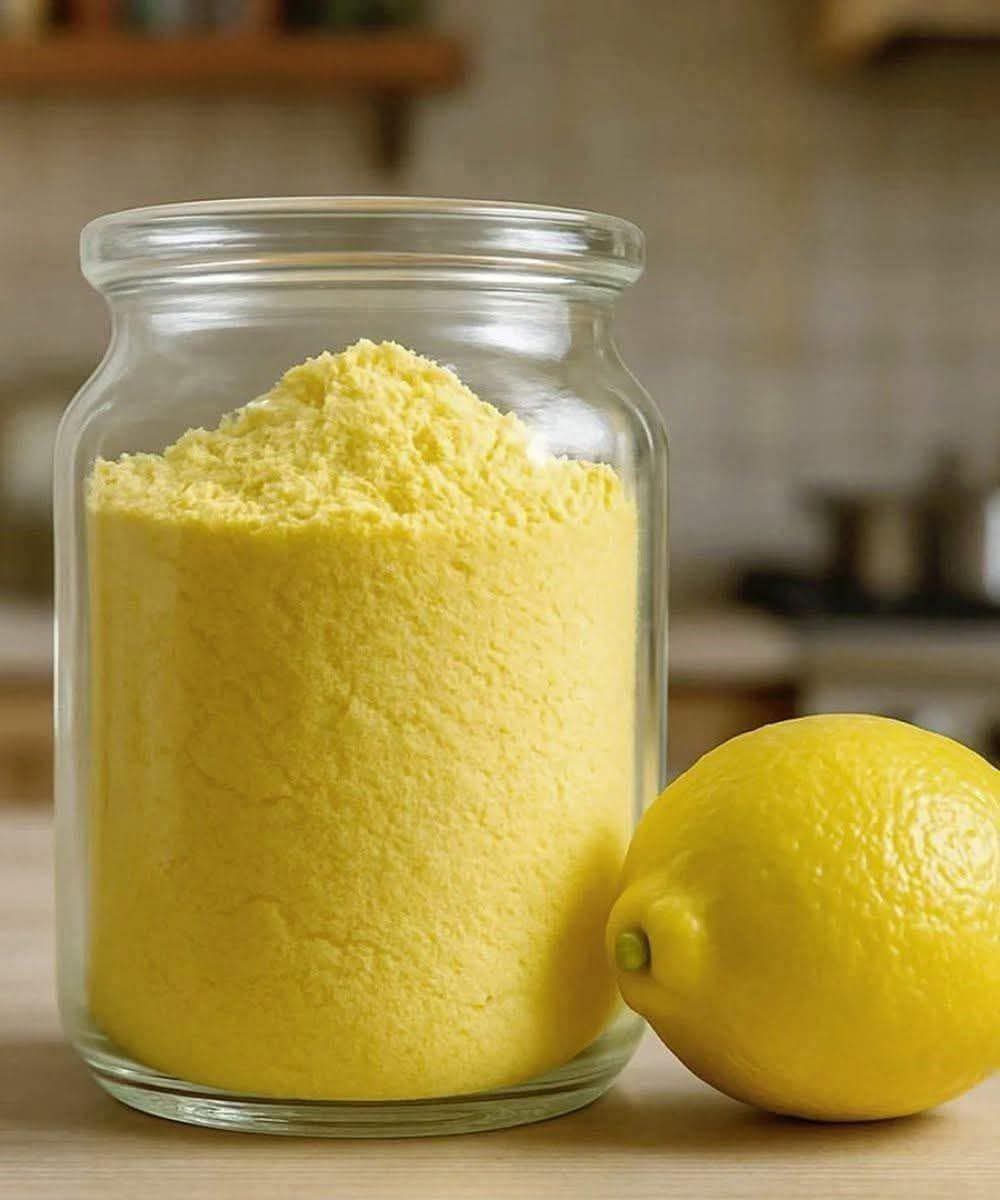
The Ultimate Guide to Homemade Lemon Powder A Zesty Kitchen Essential
The vibrant aroma of a fresh lemon can brighten almost any dish, but the window of freshness for citrus is notoriously short. We have all been there—reaching into the crisper drawer only to find a shriveled, dried-out lemon when a recipe calls for zest. This is where the magic of homemade lemon powder comes in. This concentrated, tangy, and incredibly versatile ingredient is a game-changer for home cooks and bakers alike. By dehydrating lemon peels or whole lemons and grinding them into a fine dust, you capture the essence of the fruit in a shelf-stable form that lasts for months. Unlike store-bought extracts that can sometimes have a chemical aftertaste, DIY lemon powder is pure, potent, and preservative-free. Whether you want to add a citrusy punch to your morning smoothie, elevate a dry spice rub for grilled chicken, or create a professional-grade lemon sugar for your pastries, this powder is the secret weapon your pantry has been missing. In this comprehensive guide, we will walk you through the entire process of making your own lemon powder, from choosing the right fruit to storing it for maximum longevity. We will also explore the myriad of ways you can use this “yellow gold” to transform your culinary creations.
Why You Should Make Your Own Lemon Powder
There are several compelling reasons to start making your own citrus powders at home. First and foremost is the reduction of food waste. Many recipes call for only the juice of a lemon, leaving the nutrient-dense and flavor-packed peel to be tossed in the trash. Dehydrating these peels allows you to utilize the entire fruit. Furthermore, lemon powder is an incredible space-saver. A giant bag of lemons can be reduced to a small, concentrated jar of powder, freeing up valuable refrigerator space. From a flavor perspective, the homemade version is incomparable. Commercial lemon seasonings often contain anti-caking agents, salt, or artificial flavorings. When you make it yourself, you are getting 100% pure lemon oil and fiber, which provides a much more authentic and nuanced citrus profile.
The Nutritional Benefits of Lemon Peels
Most people don’t realize that the peel of the lemon actually contains more vitamins and minerals than the juice itself. By making lemon powder, you are preserving high concentrations of Vitamin C, calcium, potassium, and fiber. The peels are also rich in bioactive flavonoids and d-limonene, which are known for their antioxidant properties. Integrating this powder into your diet is an easy way to sneak in these health benefits without having to eat a bitter peel raw.
Selecting and Preparing Your Lemons
The quality of your powder starts with the quality of your fruit. Since you will be consuming the skin of the lemon, it is highly recommended to use organic lemons whenever possible to avoid synthetic pesticides and wax coatings. If you cannot find organic, a thorough cleaning is essential.
Cleaning and Scrubbing
To remove any wax or residue, soak your lemons in a bowl of warm water with a splash of white vinegar or a teaspoon of baking soda for about ten minutes. Use a vegetable brush to gently scrub the surface of the fruit. Rinse them thoroughly under cold water and pat them completely dry with a clean towel. Any moisture left on the skin will increase the dehydration time.
Zesting vs. Slicing
There are two main methods for creating the base for your powder. You can either use a vegetable peeler to remove large strips of the zest (being careful to avoid the bitter white pith), or you can slice the entire lemon into paper-thin rounds. Using just the zest results in a more aromatic, oil-rich powder that is perfect for baking. Using the whole fruit (pulp and all) creates a slightly more tart and tangy powder with more volume. For the most balanced flavor, many enthusiasts prefer the zest-only method as it eliminates the bitterness of the pith.
Methods for Dehydrating Lemons
To create a powder, you must first remove every trace of moisture from the lemon material. There are three common ways to achieve this, depending on the equipment you have available in your kitchen.
Using a Food Dehydrator
This is the most effective and consistent method. Arrange your lemon strips or slices in a single layer on the dehydrator trays, ensuring they do not overlap. Set the dehydrator to a low temperature, ideally between 125°F and 135°F. At this temperature, the lemons will dry slowly, preserving the bright color and the volatile oils. Depending on the humidity in your home and the thickness of the slices, this can take anywhere from 6 to 12 hours. The lemons are ready when they feel brittle and “snap” when bent.
Oven Drying Method
If you do not own a dehydrator, your oven can do the job, though it requires more supervision. Set your oven to the lowest possible setting (usually around 170°F). Place the lemon pieces on a parchment-lined baking sheet. To help moisture escape, you can prop the oven door slightly open with a wooden spoon. Check the lemons every 30 minutes to ensure they aren’t browning or burning. This method is much faster than a dehydrator but carries a higher risk of “cooking” the fruit rather than drying it.
Air Drying
In very dry, warm climates, you can air-dry lemon zest by placing it on a mesh screen in a well-ventilated area away from direct sunlight. This is the most traditional method but is not recommended in humid environments, as the fruit may mold before it fully dries.
Turning Dried Lemons into Powder
Once your lemon pieces are completely dry and brittle, let them cool to room temperature. If you try to grind them while they are still warm, the residual heat can create steam, resulting in a clumped paste rather than a fine powder.
Choosing Your Grinder
A high-speed blender, a clean coffee grinder, or a spice mill are the best tools for this task. A coffee grinder is particularly effective for small batches and produces a very fine, silk-like texture. Simply pulse the dried pieces until they reach your desired consistency. If you want a coarser “lemon pepper” style texture, pulse only a few times. For baking and drink mixes, keep grinding until it looks like fine flour.
Sifting for Perfection
After grinding, run the powder through a fine-mesh sieve. This will catch any larger bits of peel that didn’t get fully pulverized. You can re-grind these larger pieces or save them for infusion in teas. The resulting sifted powder will be uniform and dissolve more easily into liquids and batters.
Storage Tips for Long-Lasting Flavor
Lemon powder is sensitive to heat, light, and moisture. To keep your batch fresh for 6 to 12 months, store it in an airtight glass jar. Small mason jars are perfect for this. Keep the jar in a cool, dark place like a pantry or a kitchen cabinet away from the stove.
Preventing Clumping
Because homemade powder lacks anti-caking agents, it may naturally clump over time. To prevent this, you can add a small food-grade silica gel packet to the jar or a few grains of dry rice wrapped in a small piece of cheesecloth. If clumping does occur, simply give the jar a vigorous shake or break it up with a fork before use.
Creative Ways to Use Homemade Lemon Powder
The beauty of this ingredient lies in its versatility. It can be used in almost any recipe that requires a citrus lift without adding extra liquid, which is a major advantage in many culinary applications.
Elevating Your Baking
Add a teaspoon of lemon powder to your cake batters, cookie doughs, or bread mixes. It provides a consistent lemon flavor that doesn’t mess with the pH or the moisture balance of the recipe. It is particularly amazing when mixed into powdered sugar to create a “lemon dust” for topping donuts or tarts.
Savory Applications and Seasonings
Create your own custom spice blends. Mix lemon powder with cracked black pepper and sea salt for a superior lemon pepper seasoning. It also works beautifully in dry rubs for seafood, pork, and poultry. For a Mediterranean twist, combine it with dried oregano, garlic powder, and salt.
Beverages and Teas
Stir a pinch of powder into your morning tea or a glass of hot water for a quick detox drink. It is also a fantastic addition to smoothies, homemade lemonade, or even cocktails. Rim your margarita glasses with a mixture of salt and lemon powder for an extra burst of flavor.
Household and Beauty Uses
Beyond the kitchen, lemon powder can be used in DIY beauty products. It makes a wonderful addition to exfoliating sugar scrubs or homemade bath bombs. Because of its natural acidity and pleasant scent, some people even use it as a natural booster for homemade laundry detergent or surface cleaners.
Troubleshooting Common Issues
While the process is straightforward, you might encounter a few hurdles. If your powder is brown, it likely means the temperature was too high during the drying process. While still edible, it will have a slightly toasted flavor and won’t look as appetizing. If the powder feels “gummy” or sticky, it wasn’t dried long enough. In this case, spread the powder back out on a tray and put it back in the dehydrator or oven for an hour. Finally, if the powder tastes overly bitter, you likely included too much of the white pith. Next time, try using a microplane or being more precise with your vegetable peeler.
Conclusion
Making your own lemon powder is a rewarding project that pays dividends in flavor, nutrition, and kitchen efficiency. It is a simple way to practice “nose-to-tail” cooking with produce, ensuring that no part of the fruit goes to waste. Once you have a jar of this bright, zesty powder in your pantry, you will find yourself reaching for it constantly to brighten up your meals. It is a testament to the fact that sometimes the most powerful ingredients are the ones we can make ourselves with just a little time and a few humble lemons. So, the next time lemons are on sale, grab a bag and start your journey toward creating this indispensable kitchen staple. Your taste buds—and your spice cabinet—will thank you.