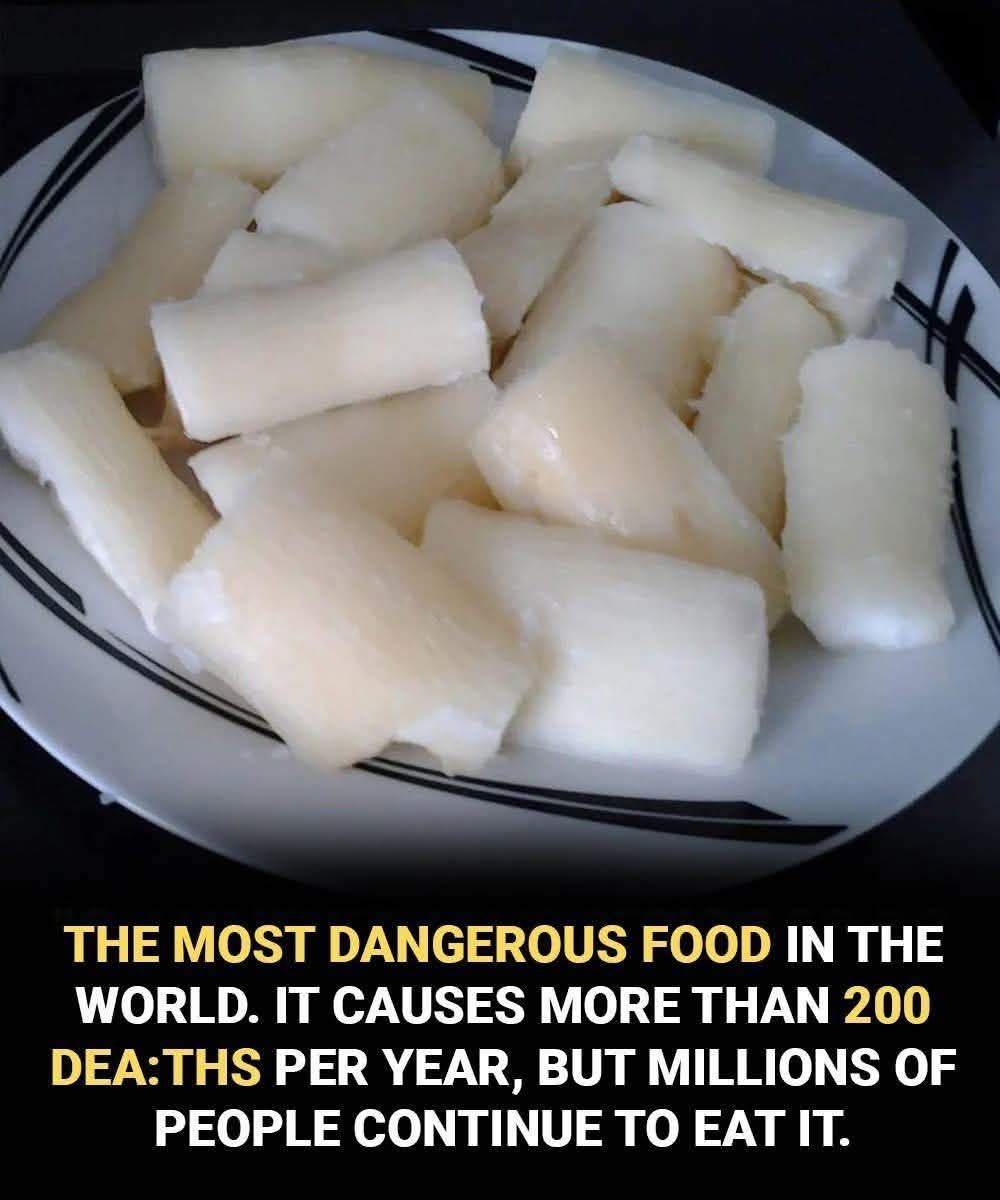
Cassava The World’s Most Misunderstood Staple and How to Prepare It Safely
Cassava, also known as yuca, manioc, or mandioca, is a nutritional cornerstone for over 800 million people globally. As a hardy root vegetable that thrives in poor soils and drought conditions, it is often heralded as a “famine-fighter.” However, cassava also carries a reputation as one of the most dangerous foods in the world if handled incorrectly. This dual nature makes it a fascinating subject of culinary science. While it is true that raw cassava contains cyanogenic glycosides that can release cyanide, centuries of traditional wisdom and modern food processing have made it a safe, delicious, and vital source of energy for millions. In this comprehensive guide, we will explore the reality behind cassava’s risks, its immense nutritional benefits, and the essential steps to prepare this versatile root safely.
The Science of Cassava: Understanding the Risks
To cook cassava safely, one must first understand what makes it potentially hazardous. Cassava produces two cyanogenic glycosides, linamarin and lotaustralin. These compounds are the plant’s natural defense mechanism against herbivores.
The Cyanide Factor
When raw cassava is bitten, crushed, or damaged, these glycosides come into contact with an enzyme called linamarase, which triggers the release of hydrogen cyanide gas. If consumed raw or undercooked, this can lead to acute cyanide poisoning. Symptoms can range from dizziness and vomiting to more severe neurological issues. However, it is important to put this into perspective: many common foods, including almonds and apricot kernels, also contain similar compounds. The key to safety lies entirely in the processing method.
“Bitter” vs. “Sweet” Cassava
Not all cassava is created equal. Farmers generally categorize the root into two types: “sweet” and “bitter.” Sweet cassava has lower levels of cyanogenic glycosides, concentrated mostly in the peel. Bitter cassava contains significantly higher levels throughout the root. In most Western grocery stores, the cassava sold is the “sweet” variety, but even then, it must never be eaten raw.
Why Millions Depend on Cassava
Despite the processing requirements, cassava remains a global staple for several compelling reasons. It is more than just a survival food; it is a nutritional powerhouse when integrated into a balanced diet.
High Energy Density
Cassava is one of the highest-calorie garden vegetables available, providing nearly double the calories of potatoes per 100 grams. This makes it an invaluable energy source for physically active individuals and communities in developing nations. It is primarily composed of complex carbohydrates, which provide a steady release of energy.
Gluten-Free and Grain-Free
In recent years, cassava has gained immense popularity in the health and wellness community as a grain-free, gluten-free alternative to wheat. Cassava flour is unique because its texture and chemical properties closely mimic wheat flour, making it a “holy grail” ingredient for gluten-free baking, tortillas, and bread.
Resistant Starch for Gut Health
Cassava is a rich source of resistant starch. Unlike regular starch, resistant starch bypasses the small intestine and ferments in the large intestine, acting as a prebiotic to feed beneficial gut bacteria. This can help improve insulin sensitivity and support a healthy digestive tract.
Essential Steps for Safe Cassava Preparation
The “danger” associated with cassava is easily mitigated through proper preparation. Traditional cultures have used these methods for thousands of years to transform the toxic root into a harmless staple.
1. Thorough Peeling
The highest concentration of cyanogenic compounds is found in the thick, bark-like skin of the cassava. You must always peel the root deeply, removing not just the brown outer bark but also the white or pinkish thick layer immediately beneath it.
2. Soaking and Fermenting
For bitter varieties, soaking the peeled roots in water for three to five days is essential. This process, often followed by fermentation, allows the enzymes to break down the cyanogenic glycosides and leach them into the water. The soaking water must always be discarded. For the “sweet” variety found in most stores, a shorter soak or thorough boiling is usually sufficient.
3. High-Heat Cooking
Cyanide-producing compounds are heat-sensitive. Boiling, baking, or frying cassava thoroughly ensures that any remaining toxins are neutralized. Boiling is particularly effective because the toxins dissolve into the water. Always ensure the center of the root is soft and opaque, indicating it is fully cooked.
4. Protein Pairing
Interestingly, a diet high in protein can help the body detoxify low levels of cyanide. The body uses sulfur-containing amino acids to neutralize cyanide. This is why cassava is traditionally served with protein-rich side dishes like fish, beans, or meat, which adds a biological layer of safety to the meal.
Delicious Ways to Enjoy Cassava
Once processed safely, cassava offers a unique, creamy texture and a mild, nutty flavor that works in a variety of dishes.
Boiled and Smashed
Similar to mashed potatoes, boiled cassava can be smashed with garlic, butter, and a splash of milk. The texture is denser and more “gluey” than potatoes, which many find satisfyingly hearty.
Cassava Fries (Yuca Frita)
This is perhaps the most popular way to enjoy cassava. After boiling the root until tender, it is cut into batons and fried until the outside is incredibly crispy while the inside remains soft and starchy. It is often served with a garlic-citrus mojo sauce.
Farofa and Flour
In Brazil, cassava is toasted into a coarse meal called farofa, which is used as a crunchy topping for beans and rice. The flour can also be used to make Pão de Queijo, the famous Brazilian cheese bread that relies on the elasticity of cassava starch.
Conclusion: Respect the Root
Cassava is a perfect example of the relationship between humans and the natural world. While the raw plant demands respect due to its chemical defenses, proper preparation unlocks a resilient and nutritious food source that sustains millions. The headlines calling it the “most dangerous food” often overlook the fact that when handled correctly, it is no more dangerous than a kidney bean or a green potato. By following the essential steps of peeling, soaking, and thorough cooking, you can safely explore the culinary world of cassava. It is a root that represents survival, versatility, and the triumph of traditional cooking techniques over natural hazards. Embrace the yuca, but always remember: the secret to its power lies in the pot, not the raw root.