The Truth About Cloves and Bay Leaves for Teeth Whitening Fact vs Fiction
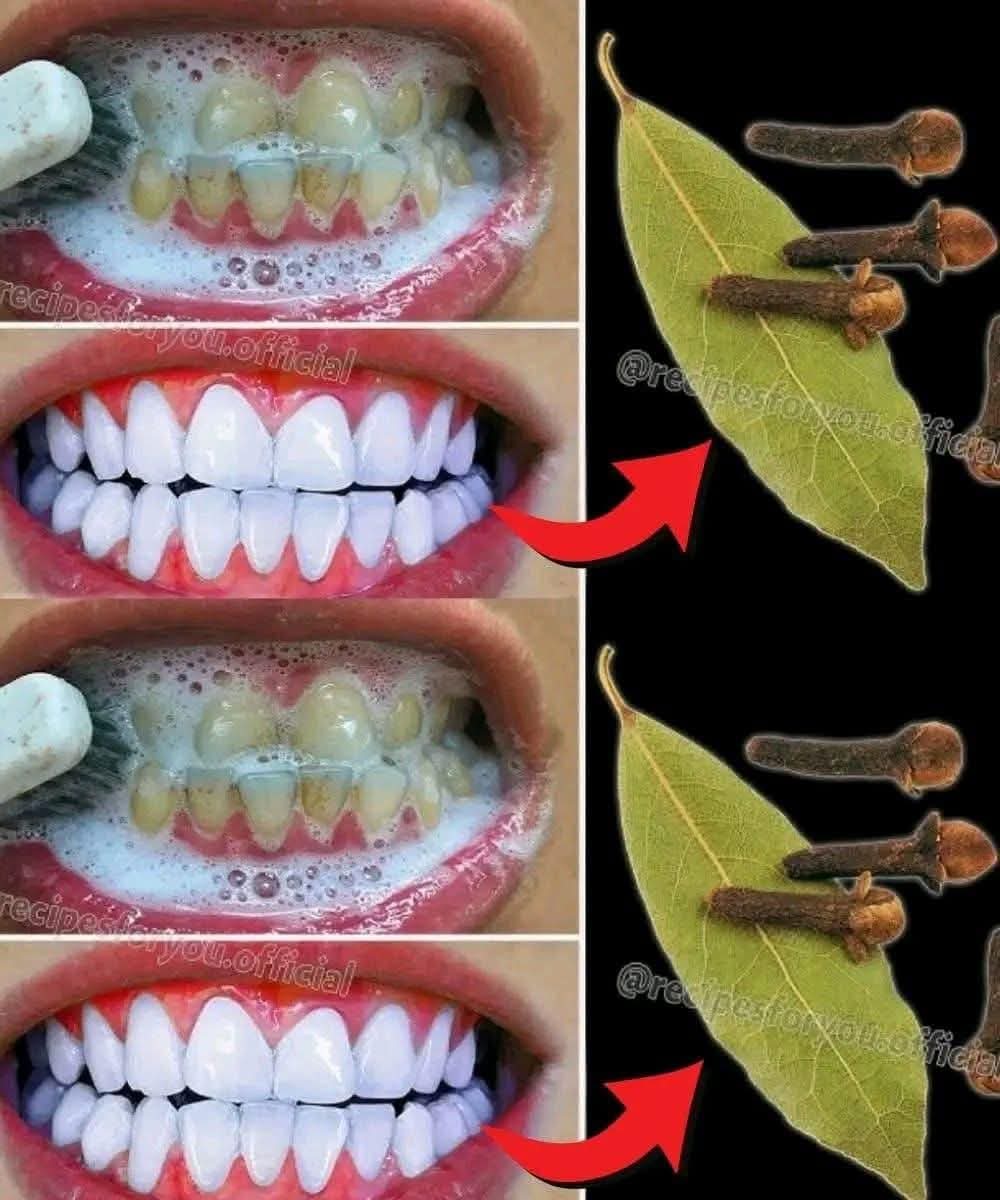
The internet is flooded with viral DIY beauty hacks promising dramatic, overnight results using simple pantry ingredients. One of the most popular trends circulating on social media involves using a mixture of cloves and bay leaves to instantly transform stained, yellow teeth into a blindingly white, Hollywood smile. The before-and-after images—often showing heavily stained teeth instantly turning chalk-white—are undeniably eye-catching and highly clickable.
But do these natural ingredients actually possess secret teeth-whitening powers, or are these viral graphics just a clever mix of photo editing and misinformation?
While cloves and bay leaves are incredible powerhouses for culinary use and possess genuine benefits for oral hygiene, separating social media hype from scientific reality is crucial for protecting your dental health. Using home remedies incorrectly can lead to permanent enamel damage or severe gum irritation. In this comprehensive article, we will dissect the properties of cloves and bay leaves, evaluate their actual impact on your teeth, expose the reality behind these viral claims, and provide safe, evidence-based ways to maintain a healthy smile.
Analyzing the Properties of Cloves and Bay Leaves in Oral Care
To understand why these ingredients are so frequently featured in traditional wellness and modern DIY recipes, we have to look at their chemical compositions. Both cloves and bay leaves have been used for centuries in indigenous medicine, particularly for oral hygiene, but their actual benefits lie in oral health rather than cosmetic color changing.
The Power of Cloves: Nature’s Oral Anesthetic
Cloves are the dried flower buds of the Syzygium aromaticum tree and are famous for their intense, warming aroma. In traditional medicine and historical dentistry, cloves are revered for one primary compound: eugenol. Eugenol is a natural chemical that acts as a potent analgesic (pain reliever) and antiseptic.
For generations, placing a whole clove against a aching tooth or applying a drop of diluted clove oil was the standard way to numb dental pain until a dentist could be reached. Eugenol effectively disrupts pain signals and fights harmful oral bacteria, making cloves excellent for reducing inflammation, combatting bad breath (halitosis), and soothing minor gum discomfort. However, eugenol does not have any chemical properties capable of breaking down deeply embedded intrinsic stains on tooth enamel.
The Role of Bay Leaves: Natural Astringents
Bay leaves, harvested from the Laurus nobilis tree, are a staple in stews and sauces, but they also possess medicinal qualities. They contain essential oils like cineole, pinene, and lauric acid, which offer natural antibacterial, anti-inflammatory, and astringent properties.
When used in oral rinses, bay leaves can help tighten gum tissues and inhibit the growth of certain oral pathogens that contribute to plaque buildup. Some historical texts mention rubbing crushed, dried bay leaves against teeth as a primitive cleaning method. This action relies on mild mechanical abrasion to scrape away surface debris, much like a rough washcloth, rather than a chemical whitening reaction.
Separating Fact from Fiction: Can They Actually Whiten Teeth?
When evaluating the viral claims that a paste made of cloves and bay leaves can instantly bleach your teeth, it helps to understand how tooth discoloration works and what is required to actually change the color of a tooth.
The Reality Behind the Viral Before-and-After Images
It is important to be direct: the dramatic transformations shown in viral social media graphics are entirely artificial. The stark, paper-white teeth featured in the “after” photos are the result of digital photo editing, filters, or professional dental work like veneers and crowns. No natural botanical paste can instantly alter the color of human teeth in a single brushing session.
How True Teeth Whitening Works
To understand why cloves and bay leaves cannot bleach teeth, we have to look at the anatomy of a tooth. Teeth experience two types of staining:
- Extrinsic Stains: These are surface stains caused by pigment-rich foods and beverages like coffee, tea, red wine, and berries, as well as smoking. These stains sit on top of the enamel layer.
- Intrinsic Stains: This discoloration exists deep within the dentin—the naturally yellowish tissue underneath your translucent outer enamel. As we age, or due to genetics and certain medications, the enamel thins, and the yellow dentin becomes more visible.
True chemical whitening requires an oxidizing agent, typically hydrogen peroxide or carbamide peroxide. These peroxide compounds penetrate the porous enamel to break apart the chemical bonds of the deeply embedded pigments within the dentin, lifting the overall shade of the tooth. Neither cloves nor bay leaves contain any oxidizing agents or bleaching compounds.
The Risk of Mechanical Abrasion
If you dry and grind bay leaves into a coarse powder to scrub your teeth, you are not bleaching them; you are using mechanical abrasion. While abrasive powders can scrub away superficial, extrinsic food stains, they act like sandpaper on your teeth.
Scrubbing your teeth with highly abrasive DIY pastes wears down the thin, protective layer of your tooth enamel over time. Once enamel is worn away, it cannot regenerate. Tragically, losing enamel actually makes your teeth look more yellow because the dark dentin underneath is exposed, while also leaving your teeth highly sensitive to hot and cold temperatures and highly vulnerable to cavities.
Safe and Effective Traditional Herbs for Oral Hygiene
While cloves and bay leaves will not give you an instant bleaching effect, they are still highly beneficial for overall oral health when used correctly. Instead of attempting to create abrasive whitening pastes, you can incorporate these ingredients into soothing, aromatic oral hygiene routines that support healthy gums and fresh breath.
1. The Soothing Clove and Bay Leaf Oral Rinse
A warm, herbal mouth rinse is an excellent way to utilize the natural antibacterial properties of these spices without risking enamel wear. This rinse helps reduce oral bacteria, refreshes the breath, and soothes minor gum irritation.
Ingredients:
- 2 cups of filtered water
- 1 tablespoon of whole cloves
- 2 to 3 fresh or dried bay leaves
Instructions:
- Bring the two cups of water to a rolling boil in a small saucepan.
- Add the whole cloves and bay leaves to the boiling water.
- Reduce the heat to low, cover the pan with a lid, and let the mixture simmer gently for 10 to 15 minutes to extract the essential oils.
- Remove the pan from the heat and allow the liquid to cool completely to room temperature.
- Strain the herbal infusion through a fine-mesh sieve into a clean glass jar, discarding the solid spices.
- Use a tablespoon of this liquid to rinse and swirl around your mouth for 30 to 60 seconds after your regular brushing routine, then spit it out. Store the remaining rinse in the refrigerator for up to five days.
2. Gentle Clove-Infused Coconut Oil Pulling
Oil pulling is an ancient Ayurvedic practice that involves swishing oil around the mouth to pull out fat-soluble bacteria and reduce plaque buildup. Adding a single drop of high-quality clove essential oil introduces the antimicrobial benefits of eugenol to this routine.
Ingredients:
- 1 tablespoon of organic, cold-pressed virgin coconut oil
- 1 drop of pure clove essential oil (highly concentrated; do not use more)
Instructions:
- Allow the coconut oil to soften or melt slightly so it is easy to work with, and stir in exactly one drop of clove essential oil.
- Place the oil blend into your mouth and gently swish, pull, and draw it through your teeth.
- Continue the swishing motion for 10 to 15 minutes while relaxing or getting ready for the day. Do not swallow the oil, as it accumulates bacteria from your mouth.
- Spit the oil directly into a trash can (avoid spitting it into the sink, as coconut oil can solidify and clog your plumbing).
- Rinse your mouth thoroughly with warm water, then proceed to brush your teeth normally with your standard fluoride toothpaste.
Evidence-Based Methods for Achieving a Brighter Smile
If your primary goal is safely whitening your teeth without damaging your enamel or gums, it is best to rely on scientifically proven methods and ingredients that dental professionals trust.
Active Ingredients to Look For
When shopping for over-the-counter whitening products, skip the pantry hacks and look for products containing regulated, effective active ingredients:
- Hydrogen Peroxide or Carbamide Peroxide: Found in reputable whitening strips, gels, and custom trays, these are the only compounds clinically proven to break down intrinsic tooth stains.
- Phthalimidoperoxycaproic Acid (PAP): A newer, non-peroxide whitening agent found in some modern whitening formulations that effectively brightens teeth without causing the tooth sensitivity associated with traditional peroxides.
- Mild Silicas: Quality whitening toothpastes contain carefully measured, low-abrasion silicas that safely polish away daily surface stains from coffee or tea without harming your enamel structure.
Practical Daily Habits for a Radiant Smile
The most sustainable way to keep your teeth looking bright is to prevent staining before it happens and care for your enamel diligently:
- Rinse After Staining Foods: If you enjoy coffee, tea, dark berries, or tomato sauce, swirl your mouth with plain water immediately afterward to wash away pigments before they settle into your enamel.
- Use a Straw: When drinking iced coffee, tea, or dark sodas, use a straw to bypass your front teeth entirely, minimizing direct contact with staining liquids.
- Maintain Professional Cleanings: Visit your dental hygienist regularly for professional cleanings. Hygienists use specialized, safe tools to remove hardened tartar (calculus) and stubborn surface stains that regular toothbrushes cannot budge.
Conclusion: Value Your Oral Health Over Viral Trends
It is completely natural to be drawn to the simplicity and affordability of natural home remedies. Cloves and bay leaves are phenomenal botanical ingredients that provide genuine anti-inflammatory, antimicrobial, and soothing benefits for your mouth, making them excellent additions to homemade mouthwashes and general wellness routines.
However, it is critical to recognize that they cannot chemically whiten your teeth. Viral social media images claiming otherwise are misleading fabrications designed to gather views and engagement. Trying to scrub your teeth with coarse spice mixtures puts you at high risk for irreversible enamel erosion and increased tooth sensitivity. Embrace cloves for their wonderful ability to freshen breath and soothe gums, but leave the teeth whitening to safe, clinically proven oral care practices that protect your beautiful smile for years to come.