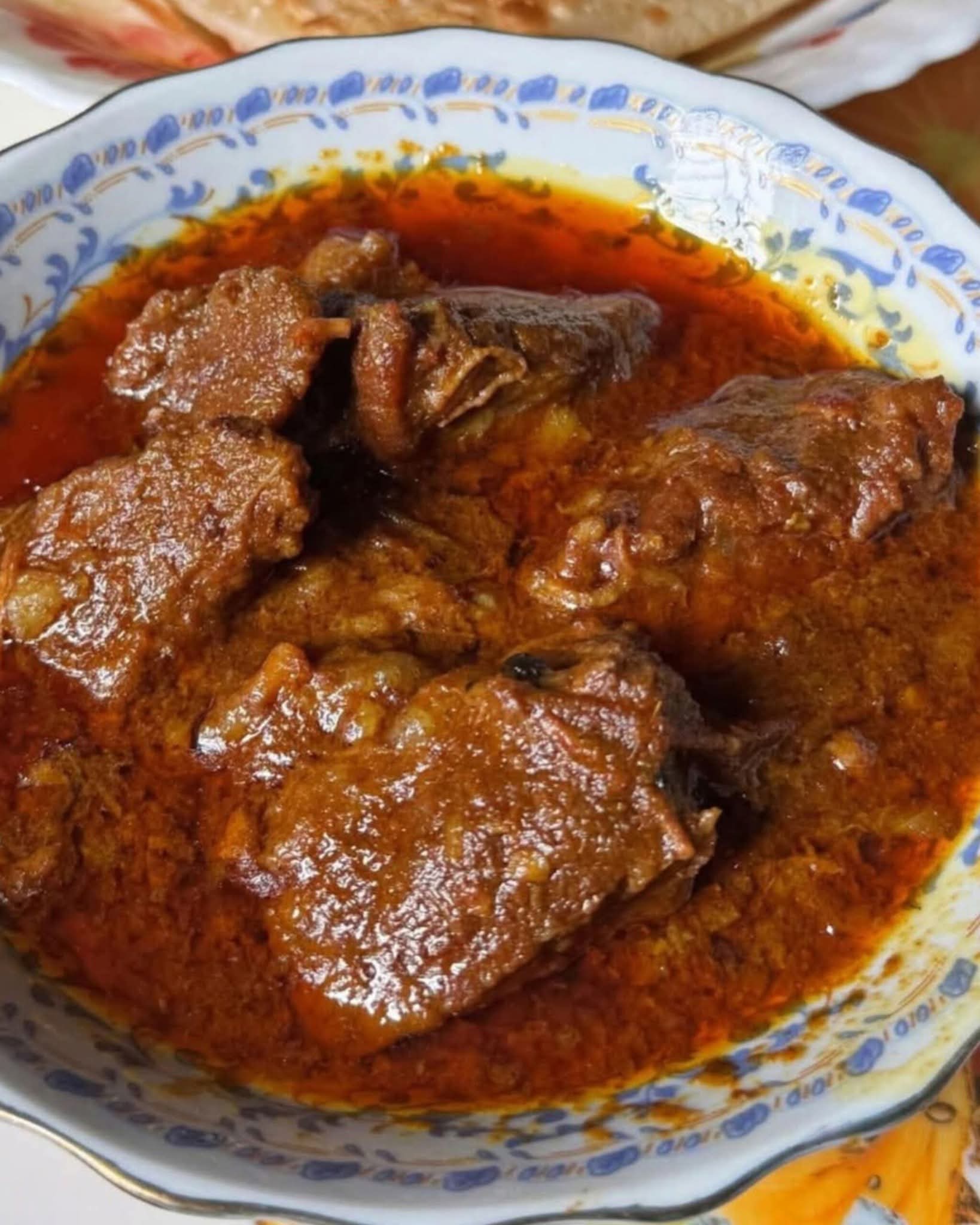
Dawat Style Beef Korma Recipe Rich Royal and Melt in Your Mouth
Beef Korma is the definition of celebration food. Rich, aromatic, slow-cooked, and deeply flavorful, this dawat-style beef korma recipe is the kind of dish reserved for special gatherings, festive dinners, and honored guests. Unlike everyday curries, dawat-style korma is luxurious, layered with spices, finished with oil separation, and cooked patiently until the beef becomes incredibly tender. This recipe captures the essence of traditional South Asian feasts, where food is not rushed and flavor is everything.
If you are searching for an authentic beef korma recipe that tastes like it came straight from a wedding hall or family dawat, this is it. Thick gravy, bold color, warming spices, and melt-in-your-mouth beef come together in a dish that is both comforting and regal.
What Is Dawat-Style Beef Korma?
Dawat-style beef korma is a special-occasion curry made with bone-in or boneless beef, yogurt, fried onions, and a carefully balanced spice blend. The word “dawat” refers to a formal feast, where dishes are richer, oilier, and more deeply spiced than everyday meals. This korma is not meant to be light. It is meant to impress.
Unlike white or mild kormas, dawat-style beef korma has a deep reddish-brown color, achieved through slow cooking, caramelized onions, and spices rather than tomatoes alone. The gravy is thick, glossy, and coats the meat beautifully.
Why Beef Korma Is Perfect for Special Occasions
Beef korma holds its place at the center of celebratory meals because it satisfies on every level. The aroma fills the house, the texture feels indulgent, and the taste lingers long after the meal is finished. It pairs perfectly with naan, paratha, or plain basmati rice, making it ideal for serving a crowd.
This dish also improves with time. Like many slow-cooked curries, beef korma tastes even better the next day, making it perfect for advance preparation when hosting guests.
Key Ingredients That Define Dawat-Style Beef Korma
The magic of beef korma lies in its ingredients and the order in which they are cooked. Each element plays a specific role in building flavor.
Beef Selection
Bone-in beef is traditionally preferred for dawat-style korma because it adds richness and depth to the gravy. Cuts like beef shank, chuck, or stew meat work beautifully. Boneless beef can also be used, but slow cooking remains essential for tenderness.
Fried Onions
Golden-brown onions are the backbone of korma gravy. They provide sweetness, thickness, and color. Properly fried onions blended into the curry create the signature texture that distinguishes korma from other curries.
Yogurt
Yogurt adds richness and slight tang while tenderizing the beef. It must be added carefully over low heat to prevent curdling and to ensure a smooth, creamy gravy.
Whole and Ground Spices
Dawat-style korma relies on a mix of whole spices like cinnamon, cardamom, cloves, and bay leaf, combined with ground spices such as coriander, cumin, chili powder, and garam masala. These spices are not overpowering but deeply aromatic.
Cooking Oil or Ghee
Generous oil or ghee is essential. The visible oil separation at the end of cooking is a sign of a properly prepared korma. This richness is what gives the dish its luxurious mouthfeel.
How to Make Dawat-Style Beef Korma
Patience is the most important ingredient in this recipe. Beef korma is never rushed.
Step One: Browning the Onions
Onions are sliced thin and fried slowly until golden brown. This step cannot be rushed, as evenly caramelized onions are crucial for flavor and color. Once fried, they are either crushed or blended into a paste.
Step Two: Building the Base
Whole spices are bloomed in hot oil or ghee, releasing their aroma. Ginger and garlic paste is added next, followed by the fried onion paste. This mixture is cooked until oil begins to separate.
Step Three: Cooking the Beef
Beef is added to the base and cooked on medium heat until well coated and lightly browned. This step locks in flavor and begins the tenderizing process.
Step Four: Yogurt and Spices
Whisked yogurt is added gradually, followed by ground spices. The curry is stirred continuously to ensure a smooth texture. This stage builds the signature richness of korma.
Step Five: Slow Cooking
Water is added, the pot is covered, and the beef is slow-cooked until tender. This can take anywhere from 60 to 120 minutes depending on the cut of beef. The gravy thickens naturally as the beef releases its juices.
Step Six: Dum and Final Touches
The final stage involves cooking on very low heat until oil rises to the surface. Garam masala and kewra or rose water may be added for aroma. This finishing step transforms the curry into true dawat-style beef korma.
Texture and Flavor Profile of Beef Korma
Dawat-style beef korma is thick, rich, and slightly spicy with a warm, aromatic finish. The beef is tender enough to break apart with a spoon, while the gravy clings beautifully to naan or rice. The balance of spices is bold but not harsh, making it appealing even to those who prefer moderate heat.
Best Ways to Serve Beef Korma
Beef korma is traditionally served with naan, tandoori roti, or paratha. Plain basmati rice is another excellent option that allows the gravy to shine. A simple side salad with onions and lemon or cooling yogurt raita complements the richness perfectly.
Make-Ahead and Storage Tips
Beef korma is an excellent make-ahead dish. After cooking, allow it to cool completely before refrigerating. The flavors deepen overnight, making leftovers even more delicious. Properly stored, beef korma keeps well for several days in the refrigerator and can also be frozen for longer storage.
Common Mistakes to Avoid
Rushing the onion frying process results in weak flavor and pale gravy. Adding yogurt too quickly or over high heat can cause curdling. Skipping the final oil separation stage leads to a curry that tastes unfinished. Taking your time at each step ensures restaurant-quality results.
Why This Dawat-Style Beef Korma Recipe Works
This recipe respects tradition while remaining practical for home cooks. It focuses on technique rather than shortcuts, producing a dish that tastes authentic, rich, and deeply satisfying. Every step builds on the last, creating layers of flavor that define true dawat-style cooking.
Final Thoughts on Dawat-Style Beef Korma
Dawat-style beef korma is more than just a curry. It is a symbol of hospitality, celebration, and culinary tradition. With its deep color, tender beef, and luxurious gravy, it earns its place at the center of the table. Whether you are preparing it for a special occasion or simply want to enjoy a truly royal dish at home, this beef korma recipe delivers unmatched flavor and timeless appeal.
Once you master this dish, it will become a staple for gatherings, celebrations, and moments when only something truly special will do.