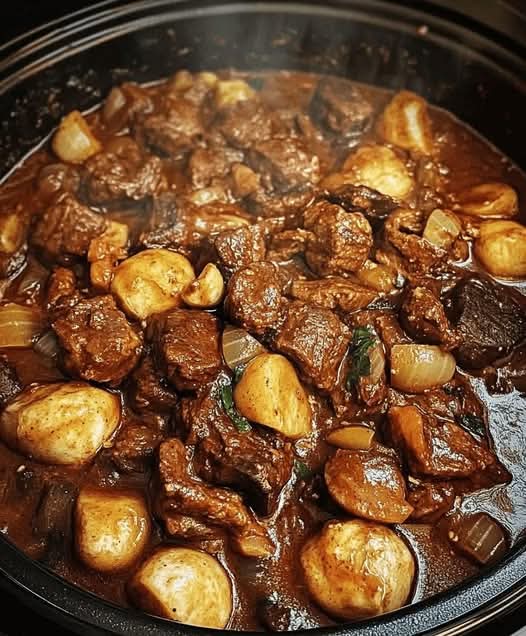
The Ultimate Guide to Slow Cooker Beef and Potato Stew
There is something uniquely comforting about a slow cooker meal waiting for you at the end of a long day. Among the pantheon of crockpot recipes, the classic beef and potato stew remains a gold standard for home cooks. This dish is the definition of hearty, featuring tender chunks of beef that melt at the touch of a fork, nestled alongside creamy potatoes and sweet onions in a rich, velvety gravy. By utilizing the slow cooking method, you allow tough fibers in the meat to break down gradually, infusing the entire pot with a depth of flavor that a stovetop simmer simply cannot match. In this comprehensive guide, we will walk you through the steps to creating a restaurant-quality beef stew in your own kitchen, perfect for feeding a hungry family or meal prepping for the week ahead.
Why the Slow Cooker is the Best Tool for Beef Stew
The secret to a perfect stew lies in the transition of collagen into gelatin, a process that requires low temperatures and plenty of time. When you use a slow cooker, you are essentially mimicking the traditional French braising technique without the need to monitor a stove for hours. The enclosed environment of the crockpot traps moisture, ensuring that the beef remains succulent rather than drying out. Furthermore, the slow cooker allows for a “set it and forget it” workflow, making it an ideal choice for busy professionals and parents. As the ingredients simmer together over six to eight hours, the starches from the potatoes naturally thicken the sauce, creating a cohesive, flavorful gravy that binds the dish together.
Choosing the Right Cut of Meat for Maximum Tenderness
For a successful slow-cooked stew, you must start with the right cut of beef. While it may be tempting to buy expensive tenderloin or sirloin, these lean cuts will actually become tough and dry in a slow cooker. Instead, look for cuts with plenty of connective tissue and marbling, such as beef chuck, shoulder, or bottom round. Beef chuck is widely considered the best choice because it contains the perfect balance of fat and muscle. As it cooks, the fat renders out, basting the meat from the inside, while the connective tissue softens into a silky texture. If you are looking for a budget-friendly option, “stew meat” packs found at the grocery store are often made from these cuts and work beautifully.
Selecting Potatoes That Don’t Turn to Mush
The choice of potato can make or break your stew’s texture. Starchy potatoes like Russets tend to break down completely during a long cook, which can be good if you want a very thick gravy, but it leaves you without distinct potato chunks. For a classic stew appearance, waxy potatoes are the way to go. Yukon Gold potatoes are a favorite among chefs because they offer a buttery flavor and a medium-starch content that holds its shape while still absorbing the savory broth. Red potatoes are another excellent choice, as their thin skins can be left on, adding a rustic look and extra nutrients to your bowl.
Essential Ingredients for a Rich and Savory Stew
A great stew is built on layers of flavor. While the beef and potatoes are the stars, the supporting ingredients provide the complexity that keeps you coming back for a second bowl.
The Main Components:
- 2 to 2.5 pounds beef chuck, cut into 1.5-inch cubes
- 1.5 pounds Yukon Gold potatoes, cut into 1-inch chunks
- 2 large carrots, peeled and sliced into thick rounds
- 1 large yellow onion, coarsely chopped
- 3 cloves garlic, minced
- 1 cup frozen peas (added at the very end)
The Braising Liquid and Aromatics: - 3 cups high-quality beef broth
- 2 tablespoons tomato paste (for depth and color)
- 1 tablespoon Worcestershire sauce
- 2 bay leaves
- 1 teaspoon dried thyme or rosemary
- Salt and freshly cracked black pepper to taste
- 2 tablespoons cornstarch mixed with 2 tablespoons water (optional, for thickening)
Step-by-Step Instructions: Prepping for the Pot
To achieve the best results, a little bit of prep work goes a long way. Start by patting your beef cubes dry with paper towels. If you have the time, searing the beef in a hot skillet with a tablespoon of oil before adding it to the slow cooker will create a Maillard reaction, adding a deep, caramelized flavor to the finished stew. However, if you are in a rush, you can skip the searing and place the raw beef directly into the pot; the slow cooker will still produce a delicious, albeit slightly milder, result.
Layering Your Ingredients
In your slow cooker insert, start by placing the onions, carrots, and potatoes at the bottom. These root vegetables take the longest to cook and benefit from being closest to the heat source at the base of the pot. Place the beef cubes on top of the vegetable layer. In a medium bowl or large measuring cup, whisk together the beef broth, tomato paste, Worcestershire sauce, minced garlic, and dried herbs. Pour this seasoned liquid over the meat and vegetables. The liquid should almost cover the ingredients, but it’s okay if a few pieces of beef are peeking through the top.
The Cooking Process: Low and Slow vs. High Heat
The most frequent question bakers and cooks ask is whether to use the “Low” or “High” setting. For beef stew, Low for 7 to 8 hours is almost always superior to High for 4 hours. The slower the cook, the more time the beef has to become tender without getting “stringy.” If you must use the High setting, check the meat at the 4-hour mark to ensure it isn’t overcooking. Keep the lid closed as much as possible; every time you peek, you lose heat and moisture, which can extend the cooking time significantly.
Thickening the Gravy to Perfection
About 30 minutes before you are ready to serve, check the consistency of your stew. If you prefer a thicker, more spoonable gravy, whisk together your cornstarch and water to create a “slurry.” Stir the slurry into the bubbling stew and turn the slow cooker to High for the final 20 to 30 minutes. This is also the perfect time to stir in your frozen peas. The residual heat will cook them through while keeping them bright green and slightly firm, providing a fresh contrast to the long-simmered ingredients.
Serving Suggestions and Side Dishes
A bowl of beef and potato stew is a complete meal on its own, but a few additions can make it even better. Serve your stew in deep bowls and garnish with a sprinkle of fresh parsley or chopped chives for a pop of freshness. A side of crusty French bread or a warm sourdough boule is essential for dipping into the rich gravy. For those who want a bit of acidity to cut through the richness, a simple side salad with a lemon-herb vinaigrette or a few pickled onions on top can provide a wonderful balance.
Storing and Reheating for the Best Flavor
Like many slow-cooked dishes, beef stew often tastes even better the next day. As the stew cools, the flavors continue to meld and the potatoes absorb more of the broth. Store leftovers in an airtight container in the refrigerator for up to 4 days. When reheating, it is best to do so in a saucepan over medium-low heat, adding a splash of water or broth if the gravy has thickened too much in the fridge. While you can freeze beef stew, be aware that the texture of the potatoes can become slightly grainy upon thawing; for the best results, enjoy your stew fresh or within the first few days of cooking.
Conclusion: A Masterpiece of Simple Cooking
Mastering the slow cooker beef and potato stew is a rewarding milestone for any home cook. It is a dish that rewards patience and quality ingredients with a level of comfort that few other meals can provide. By choosing the right cut of beef, using waxy potatoes, and allowing the ingredients to simmer low and slow, you create a meal that is both nourishing and deeply satisfying. This recipe isn’t just about the food; it’s about the ease of a one-pot meal and the joy of sharing a classic favorite with friends and family. Whether it’s a cold winter night or a busy weekday, this beef stew is a reliable, delicious way to bring everyone to the table.