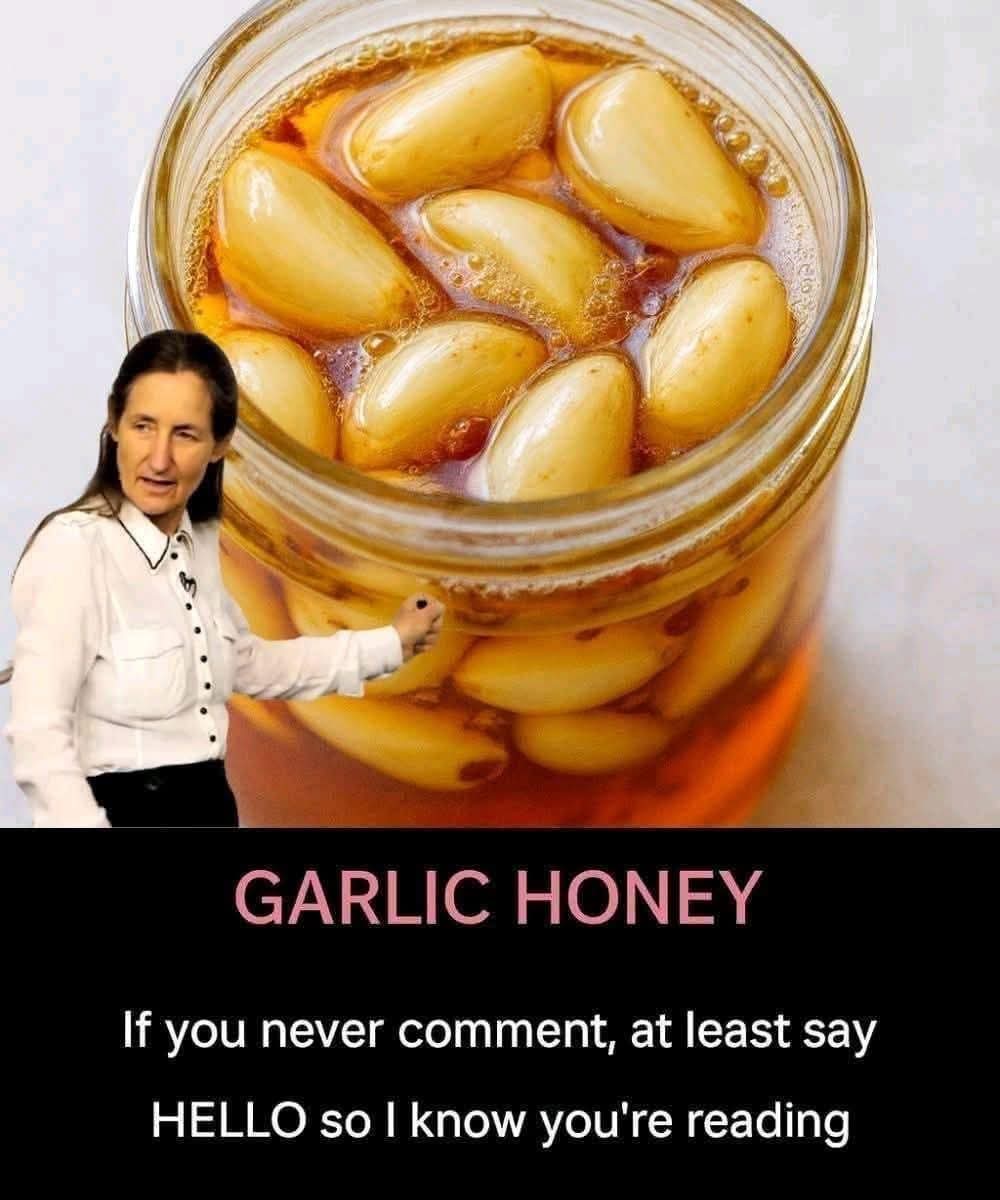
The Ultimate Guide to Fermented Garlic Honey Nature’s Most Potent Pantry Staple
In the world of natural home remedies and culinary curiosities, few things are as intriguing—or as surprisingly delicious—as Fermented Garlic Honey. Often referred to in traditional wellness circles as a “natural antibiotic,” this ancient duo has been a staple in kitchens for generations. At first glance, the combination of pungent, sharp garlic and viscous, floral honey might seem like an unlikely pairing. However, when these two ingredients sit together in a jar over time, a chemical transformation occurs, mellowing the bite of the garlic and infusing the honey with a savory, complex depth that is as useful in the medicine cabinet as it is on a cheese board.
Whether you are interested in the culinary applications of this “liquid gold” or its reputation as a traditional immune-support tonic, mastering the art of the ferment is a rewarding kitchen project. Unlike complex fermentations that require specialized equipment or expensive starters, Garlic Honey is remarkably accessible, requiring only two ingredients and a bit of patience. In this detailed guide, we will explore the science behind the fermentation process, how to select the best ingredients, and the step-by-step method to creating a safe, vibrant jar of fermented goodness in your own pantry.
The Science of the Ferment: How Garlic and Honey Interact
To understand why this combination works, we have to look at the properties of both ingredients. Honey is a unique substance; it is naturally low in moisture and highly acidic, which usually prevents bacteria from growing. However, it is also “hygroscopic,” meaning it draws moisture from its surroundings.
The Role of Moisture and Wild Yeast
When you submerge fresh garlic cloves in honey, the honey begins to draw the natural juices out of the garlic. This extra moisture thins the honey slightly, creating the perfect environment for wild yeasts and beneficial bacteria to begin the fermentation process. You will notice small bubbles forming at the surface after a few days—this is a sign that the microbes are hard at work, breaking down sugars and releasing carbon dioxide. This process not only preserves the garlic but enhances the bioavailability of its compounds.
Mellowing the Flavor Profile
If you have ever eaten a raw clove of garlic, you know the intense, spicy “burn” it leaves behind. During fermentation, the harsh sulfur compounds in the garlic—specifically allicin—undergo a transformation. Over weeks and months, the garlic cloves lose their pungency and take on a chewy, translucent texture and a sweet-savory flavor reminiscent of roasted garlic. The honey, in turn, becomes thinner and takes on a distinctly “garlicky” aroma that is perfect for both sweet and savory dishes.
Selecting Your Ingredients: Quality is Paramount
Because this recipe only uses two components, the quality of your raw materials is the single most important factor in your success.
- Raw Honey: This is non-negotiable. You must use raw, unpasteurized honey. Commercial “clover honey” found in plastic bears has often been heated to high temperatures and ultra-filtered, which kills the natural yeasts and enzymes needed to kickstart the fermentation. Raw honey still contains these living components, ensuring your jar actually bubbles and transforms.
- Fresh Garlic: Look for firm, organic garlic bulbs. Avoid pre-peeled garlic sold in jars or bags, as these are often treated with preservatives or have lost their moisture, which will hinder the fermentation process. Organic garlic is preferred to ensure no pesticides interfere with the delicate microbial balance of your ferment.
Step-by-Step Instructions: Crafting Your Garlic Honey
Preparation is quick, but the “maintenance” during the first two weeks is vital for a safe and successful ferment.
1. Preparing the Garlic
Peel your garlic cloves carefully. You want to keep the cloves whole, but it is highly recommended to lightly crush each clove with the flat side of a knife or slightly “bruise” them. This breaks the cellular structure just enough to allow the honey to penetrate the clove and for the garlic juices to escape more easily into the honey.
2. The Jarring Process
Fill a clean glass jar about half to two-thirds full with the prepared garlic cloves. Pour the raw honey over the garlic until the cloves are completely submerged. Leave at least an inch or two of “headspace” at the top of the jar. This is crucial because the mixture will bubble and expand as it ferments; if the jar is too full, it will overflow and create a sticky mess.
3. The “Burping” and Inverting Phase
Place the lid on the jar loosely at first, or tighten it and commit to “burping” it daily. For the first two weeks, flip the jar upside down once a day to ensure the garlic cloves (which tend to float) stay coated in honey. Every day, open the lid slightly to release the built-up carbon dioxide (the “burp”). You will hear a satisfying hiss—this means your ferment is alive and healthy!
4. The Waiting Game
While you can use the honey after just a few days, the real magic happens after 4 to 6 weeks. Store the jar in a cool, dark place like a pantry. Over time, you will see the honey get darker and the garlic cloves sink toward the bottom. This is a sign that the fermentation is slowing down and the flavors are fully matured.
Safety and Botulism: Addressing the Common Concern
Whenever you put a low-acid food like garlic into an anaerobic (oxygen-free) environment like honey, the topic of Clostridium botulinum (botulism) arises. While the risk is statistically very low due to the natural acidity of honey, it is important to be informed and proactive.
Monitoring pH Levels
Botulism cannot grow in environments with a pH below 4.6. Most raw honey has a pH around 3.9, which is safely within the acidic range. However, the moisture from the garlic can raise that pH. If you are concerned, you can use a pH test strip to check your honey. If the pH is too high, a small teaspoon of apple cider vinegar can be added to the mixture to increase the acidity without significantly altering the flavor.
A Note on Infants
As with all honey products, never give fermented garlic honey to infants under the age of one, as their digestive systems are not yet equipped to handle the natural spores found in raw honey.
Culinary and Traditional Uses for Your Ferment
Once your jar is ready, you have a versatile ingredient that can elevate almost any meal or serve as a traditional wellness tonic.
- The Ultimate Glaze: Brush the honey over roasted chicken, salmon, or pork chops in the final 10 minutes of cooking for a caramelized, savory finish.
- Salad Dressings: Whisk a teaspoon of the honey with apple cider vinegar, dijon mustard, and olive oil for a sophisticated vinaigrette.
- Pizza Topping: Drizzle the honey over a hot pepperoni or spicy sausage pizza to hit that perfect “sweet and heat” note that is currently trending in gourmet pizzerias.
- Traditional Tonic: Many people enjoy a spoonful of the honey or a clove of the fermented garlic during the winter months. It is a warming, traditional comfort food that has been used for centuries to help soothe the throat.
Conclusion: A Living Addition to Your Pantry
Fermented Garlic Honey is a testament to the power of simple, natural processes. It bridges the gap between the apothecary and the kitchen, offering a flavor profile that is as complex as its history. By taking a few minutes to prep a jar today, you are starting a transformation that will yield delicious results for months to come.
In an age of instant gratification, there is something deeply satisfying about watching a jar bubble and change on your pantry shelf. It connects us to traditional methods of food preservation and rewards our patience with a golden, garlicky elixir that is unlike anything found on a grocery store shelf. So, peel some garlic, pour the honey, and start your own ferment—your taste buds and your pantry will thank you.