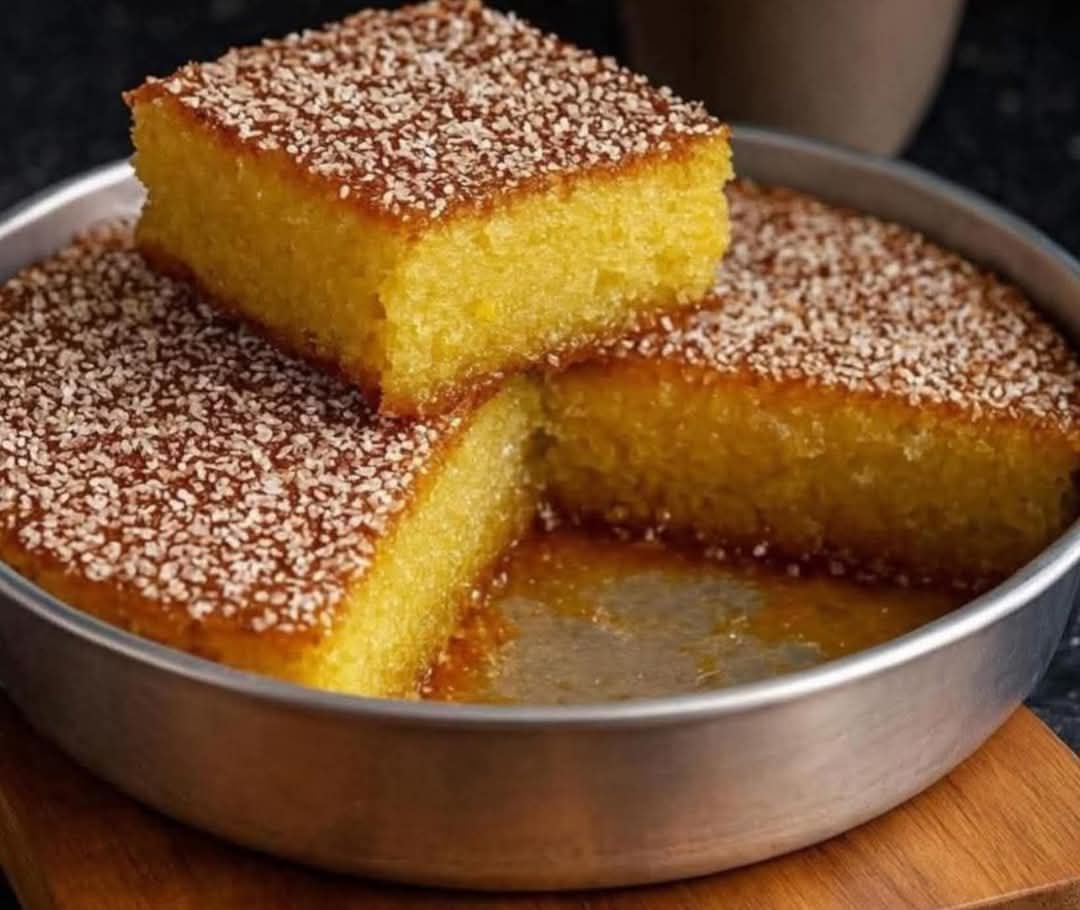
The Ultimate Basbousa Cake: A Semolina Syrup Cake That Melts in Your Mouth
Imagine a dessert that perfectly straddles the line between a moist cake and a dense, satisfying sweet, utterly drenched in a fragrant, lemon-kissed syrup that makes every bite an explosion of flavor. This is Basbousa, the legendary Middle Eastern and North African semolina cake that is a staple at celebrations, family gatherings, and coffee visits. Known also as Harissa or Namoura, its magic lies in its simple, humble ingredients transformed into something extraordinary through texture and soak. The top bakes to a slight golden crisp, giving way to a uniquely tender, slightly granular cruthat is fragrant with coconut and orange blossom. Then, it meets the syrup—a cool, sweet, and citrusy bath that seeps into every pore, making the cake impossibly juicy and refreshing. This recipe is your foolproof guide to creating an authentic Basbousa at home. We’ll cover the secrets to achieving the perfect texture, the balance of sweetness, and the traditional presentation. Whether you’re new to Middle Eastern desserts or craving a taste of tradition, this Basbousa promises to be a showstopping centerpiece that is surprisingly simple to make.
Why This Basbousa Recipe is Authentic and Foolproof
This recipe works because it respects the traditional ratios and methods that have made Basbousa a beloved classic for generations. The foundation is fine semolina, which gives the cake its signature yellow color and distinctive, satisfying grain. We combine it with baking powder for a lift and desiccated coconut for fragrance and texture. The use of yogurt in the batter is the genius touch; its acidity and fat create an incredibly tender, moist crumb while activating the leavener. The syrup, made in advance, is the soul of the dessert. We use a combination of sugar and honey for depth, and flavor it with lemon and orange blossom water—a non-negotiable floral note that defines the cake. Pouring cool syrup over hot cake is the final, critical technique. This thermal shock allows the cake to drink up the syrup greedily without becoming mushy, resulting in a perfectly saturated yet structurally sound slice.
Gathering Your Ingredients: Simple Pantry Staples
The beauty of Basbousa lies in its accessible ingredients. Each plays a specific role in creating the final texture and flavor.
For the Sugar Syrup (Ater/Qater):
· 2 cups (400g) granulated sugar
· 1 ½ cups (360ml) water
· 1 tablespoon fresh lemon juice
· 1 teaspoon orange blossom water (or rose water)
· (Optional) 1 tablespoon honey
For the Basbousa Cake Batter:
· 2 ½ cups (400g) fine semolina (not semolina flour)
· 1 cup (100g) unsweetened desiccated coconut
· 1 cup (200g) granulated sugar
· 1 cup (240ml) plain, full-fat yogurt (room temperature)
· ¾ cup (180ml) melted unsalted butter or ghee, cooled
· ½ cup (120ml) milk (room temperature)
· 2 teaspoons baking powder
· ½ teaspoon vanilla extract
· A pinch of salt
For Garnish and Baking:
· Whole blanched almonds or raw pine nuts
· Optional: 1-2 tablespoons of tahini or butter for greasing the pan
Equipment Note: A 9×13 inch baking pan (or equivalent round pan) is traditional. A pastry brush is helpful for greasing.
Step-by-Step Cooking Instructions
Step 1: Prepare the Syrup First (The Most Important Step)
The syrup must be completely cool before the cake comes out of the oven. In a medium saucepan, combine the sugar and water. Heat over medium, stirring until the sugar dissolves. Add the lemon juice (this prevents crystallization). Bring to a gentle boil, then reduce heat and simmer for 10-12 minutes until it slightly thickens—just enough to coat the back of a spoon. Do not let it reach a thread stage. Remove from heat and stir in the orange blossom water and honey (if using). Let the syrup cool completely to room temperature, then place it in the refrigerator to chill. This cold syrup meeting the hot cake is crucial.
Step 2: Mix the Dry and Wet Ingredients Separately
Preheat your oven to 350°F (175°C). In a large mixing bowl, whisk together the fine semolina, desiccated coconut, sugar, baking powder, and salt. In another bowl or large measuring jug, whisk together the room temperature yogurt, cooled melted butter, milk, and vanilla extract until smooth and well-combined.
Step 3: Combine to Form the Batter
Pour the wet ingredients into the dry ingredients. Using a spatula or your hand (the traditional tool!), mix very well until you have a thick, homogeneous batter with no dry spots. The texture will be like a very thick, scoopable paste. Cover the bowl and let the batter rest for 15-20 minutes. This allows the semolina to absorb the liquids, which is key for the final texture.
Step 4: Pan and Pattern the Batter
Grease your baking pan thoroughly with butter, ghee, or a thin layer of tahini. Tahini adds a subtle, nutty flavor that is traditional in some regions. Transfer the rested batter to the pan. Using wet hands or a spatula dipped in water, press and smooth the batter evenly into the pan. Now, take a sharp knife and score the surface into diamond or square shapes. This is not just decorative; it creates guides for cutting after baking and helps the syrup penetrate. Place a blanched almond or pine nut in the center of each diamond.
Step 5: Bake to Golden Perfection
Place the pan in the preheated oven on the middle rack. Bake for 30-40 minutes, or until the edges are deeply golden brown and the top is evenly colored. A toothpick inserted into the center should come out clean or with dry crumbs. The key is to get good color on top for that slight crispness.
Step 6: The Syrup Soak – The Transformative Moment
As soon as the Basbousa comes out of the oven, immediately place the pan on a cooling rack. Start slowly pouring the cold, refrigerated syrup all over the hot cake. You will hear it sizzle and see it being absorbed instantly. Use all of the syrup. Let the cake sit in the pan for at least 3-4 hours, or preferably overnight, to fully absorb the syrup and cool completely. This patience is essential for the perfect texture.
Serving and Presentation Tips
Basbousa is always served at room temperature or slightly cool. Using your initial score lines as a guide, cut completely through the cake into diamonds or squares. It is traditionally served plain, as the syrup provides all the moisture needed. It pairs perfectly with unsweetened black coffee or mint tea, which cuts through the sweetness. For a special touch, garnish with extra coconut or a sprinkle of chopped pistachios.
Expert Tips and Common Mistakes to Avoid
· Fine Semolina: Do not use coarse semolina or semolina flour. Fine semolina (sooji) is essential for the right tender-yet-granular texture.
· Cold Syrup, Hot Cake: This is the golden rule. Pouring hot syrup will make the cake mushy and gummy. Pouring cold syrup on a cold cake means it won’t absorb properly.
· Room Temperature Ingredients: Using yogurt, milk, and butter that are not cold ensures the batter emulsifies smoothly and the baking powder activates correctly.
· Do Not Overbake: Bake just until set and golden. Overbaking will dry out the cake before it even meets the syrup.
· The Long Soak: Do not rush to cut and serve. Letting it soak for hours allows the syrup to distribute evenly, making every piece perfectly sweet and moist.
· Orange Blossom Water: This is the classic flavor. Rose water can be used, but it will taste different. Start with 1 teaspoon, as it is potent.
FAQs About Making Basbousa
My Basbousa turned out dry or hard. What happened?
This is typically due to one of three reasons: using coarse semolina, overbaking the cake, or not using enough syrup. Ensure you follow the syrup-to-cake ratio and use fine semolina.
Can I make Basbousa without coconut?
Yes, you can omit it, but it will change the traditional flavor and texture. You may want to increase the semolina slightly by ¼ cup to compensate.
How do I store Basbousa?
Store it covered at room temperature for 1-2 days. For longer storage (up to a week), cover tightly and refrigerate. It can be served cold or brought to room temperature. The syrup acts as a preservative.
Can I use oil instead of butter?
Yes, a neutral oil can be used, but butter or ghee provides a far richer, more authentic and delicious flavor.
My syrup crystallized. How can I fix it?
Add a tablespoon of lemon juice or corn syrup to the sugar and water from the start to prevent crystallization. If it crystallizes, reheat gently with a splash of water until dissolved.
Conclusion: More Than a Cake, A Sweet Embrace
Basbousa is more than just a dessert; it is an edible expression of hospitality and celebration. Its process—from the rhythmic mixing of the batter to the patient wait as it drinks in the syrup—is a lesson in the rewards of simple, careful cooking. The result is a cake that is unpretentious yet deeply sophisticated, humble yet profoundly satisfying. Making it at home fills your kitchen with an aroma that promises sweetness and comfort. This recipe delivers an authentic, fail-proof path to that experience. One bite of this moist, fragrant, syrup-drenched cake, and you’ll understand why it has been a cornerstone of sweet tables from the Levant to North Africa for centuries. It’s a taste of sunshine, tradition, and pure, unadulterated joy.