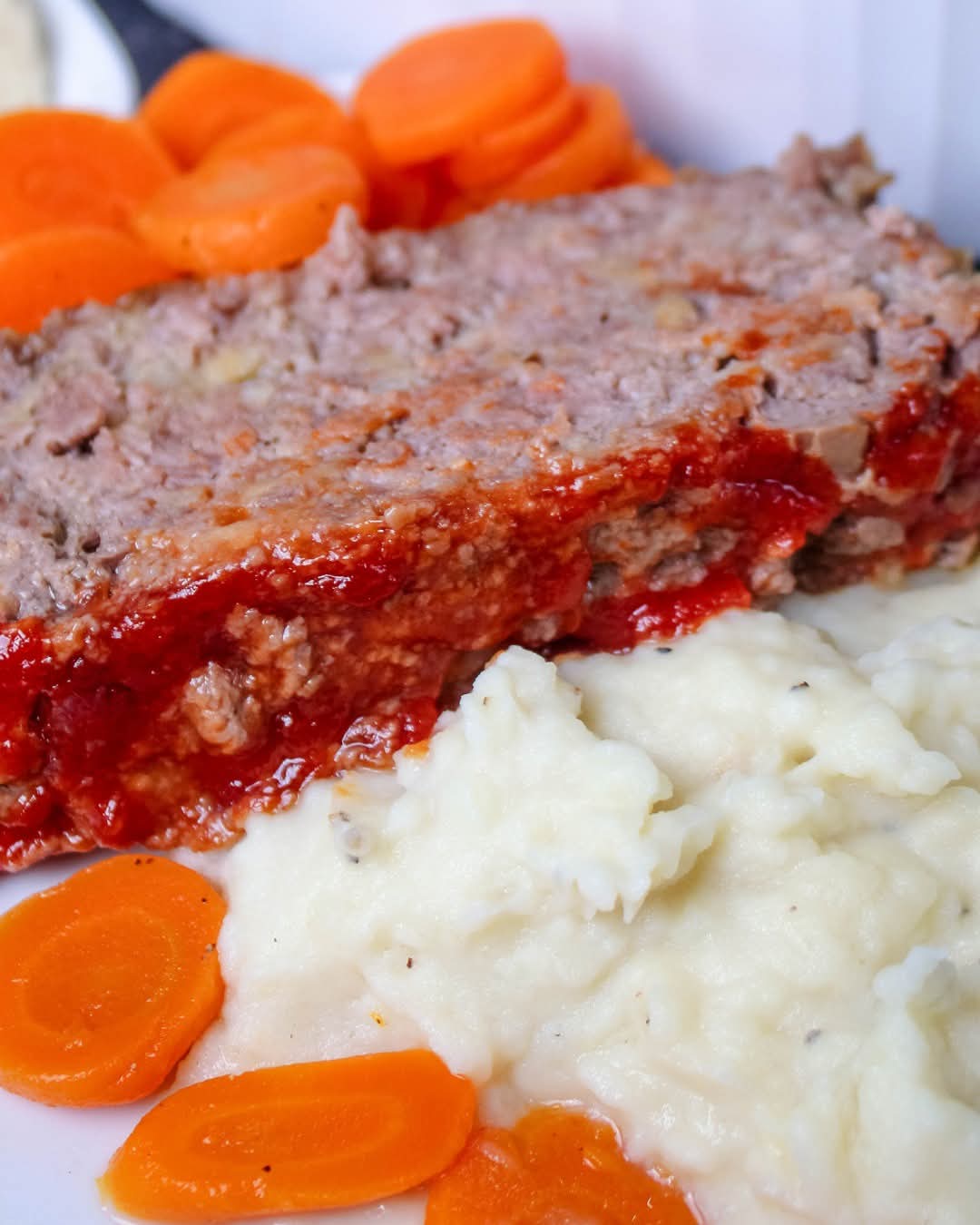
The Ultimate Brown Sugar Glazed Meatloaf A Sweet Savory and Succulent Classic Reinvented
Meatloaf. The very word conjures a kaleidoscope of memories: family dinners, bustling diners, and the quintessential comfort food of American home cooking. Yet, for every person who adores it, there’s another who remembers a dry, dense, and bland brick of meat. It’s time to rewrite that story. We’re not making just any meatloaf; we’re crafting the pinnacle of the form: The Ultimate Brown Sugar Glazed Meatloaf. This recipe is a masterclass in balance, where a juicy, flavor-packed loaf meets a sticky, caramelized, and subtly spicy glaze that transforms into a crackly crust. It’s a sweet and savory symphony that promises—and delivers—moistness in every forkful. This article will guide you through the science and soul of creating a meatloaf that will banish all previous mediocre versions from your memory, turning this humble dish into a show-stopping centerpiece.
The Secret to a Perfect Meatloaf: It’s All About the Texture and the Glaze
A great meatloaf is defined by two things: its internal texture and its external glaze. The common pitfalls of dryness or a mushy, dense consistency are solved with a combination of the right meat blend, strategic binders, and a gentle hand. Our recipe uses a trio of meats for depth, a panade (a bread-milk paste) for unparalleled tenderness, and a slow, gentle bake. The glaze, however, is the star of the show. Moving beyond simple ketchup, our brown sugar glaze is a carefully cooked reduction that clings to the loaf, baking into a glossy, sweet, tangy, and complex shell that provides a stunning contrast to the savory interior. This isn’t your grandmother’s meatloaf (unless your grandmother was a secret culinary genius); it’s a meticulously engineered recipe for maximum flavor and juiciness.
Gathering Your Ingredients: Building Layers of Flavor
The magic of this meatloaf lies in the harmony of its components. Here’s what you’ll need for a loaf that serves 6-8 people beautifully.
For the Meatloaf Base:
· 1 lb. ground beef (80/20 blend): The fat is essential for flavor and moisture. Leaner blends will result in a drier loaf.
· 1/2 lb. ground pork: Adds fat and a richer, sweeter pork flavor.
· 1/2 lb. ground veal or additional ground pork: Veal offers a delicate, buttery note. If unavailable, use more ground pork.
· 1 cup fresh breadcrumbs: Panko or fresh, soft bread pulsed in a food processor is ideal. They create a lighter texture than dense, dry breadcrumbs.
· 1/2 cup whole milk: For hydrating the breadcrumbs and creating the panade.
· 1 large onion, finely diced: A non-negotiable for aromatic depth.
· 2 cloves garlic, minced:
· 2 large eggs, lightly beaten: The primary binder that holds everything together.
· 2 tbsp. Worcestershire sauce: For umami and tang.
· 1 tbsp. Dijon mustard: Adds a subtle sharpness and complexity.
· 1 1/2 tsp. kosher salt:
· 1 tsp. dried thyme:
· 1/2 tsp. freshly ground black pepper:
· 1/2 tsp. smoked paprika: Provides a hint of smokiness without being overpowering.
For the Legendary Brown Sugar Glaze:
· 1/2 cup packed dark brown sugar: Dark brown sugar has more molasses, leading to a deeper flavor and better caramelization.
· 1/2 cup ketchup: The sweet-tangy base.
· 2 tbsp. apple cider vinegar: The critical acid that cuts the sweetness and balances the glaze.
· 1 tbsp. Worcestershire sauce: Echoes the flavor in the loaf and adds savoriness.
· 1 tsp. Dijon mustard:
· 1/4 tsp. cayenne pepper: Just enough to provide a gentle, warming heat in the background. Can be omitted.
Essential Equipment for Meatloaf Mastery
You will need a 9×5 inch loaf pan for a traditional shape. However, for superior results, consider using a rimmed baking sheet or a broiler pan lined with foil. This allows heat to circulate all around the loaf, preventing steaming and promoting better browning and caramelization of the glaze. You’ll also need a large mixing bowl, a skillet for sautéing, and a small saucepan for the glaze.
Step-by-Step Instructions: Crafting the Perfect Loaf
Step 1: The Foundation – Sautéing the Aromatics
Preheat your oven to 350°F (175°C). In a skillet over medium heat, sauté the finely diced onion with a pinch of salt until it is soft, translucent, and just beginning to turn golden, about 8-10 minutes. Add the minced garlic and cook for one more minute until fragrant. Let this mixture cool slightly. This step is crucial—it removes raw onion moisture and concentrates flavor, preventing a soggy meatloaf.
Step 2: Creating the Panade – The Key to Tenderness
In your large mixing bowl, combine the fresh breadcrumbs and milk. Stir and let it sit for 5 minutes. This mixture, called a panade, will look like a paste. It is the single most important step for a tender, moist texture, as it helps the proteins retain moisture during cooking.
Step 3: Gently Combining the Mixture
To the panade, add the cooled onion/garlic mixture, eggs, Worcestershire sauce, Dijon mustard, salt, thyme, black pepper, and smoked paprika. Whisk this all together until it forms a uniform, slurry-like base. Now, add the ground beef, pork, and veal. Using your hands—the best tools for the job—gently mix everything together until just combined. Overmixing is the enemy of a tender meatloaf; it develops the proteins and leads to a tough, dense texture. Mix until no large streaks of meat or bread remain.
Step 4: Shaping and the Initial Bake
If using a loaf pan, lightly grease it and press the mixture in. For free-form baking on a sheet pan, shape the mixture into a 9×5 inch loaf on the prepared pan. This method is highly recommended for better glaze coverage and browning. Place the loaf in the preheated oven and bake for 40 minutes.
Step 5: Crafting and Applying the Glaze
While the loaf bakes, make the glaze. In a small saucepan over medium heat, combine the brown sugar, ketchup, apple cider vinegar, Worcestershire sauce, Dijon mustard, and cayenne. Whisk constantly until the mixture comes to a gentle simmer and the brown sugar has completely dissolved. Let it simmer for 1-2 minutes until it slightly thickens. Remove from heat.
After the meatloaf’s initial 40-minute bake, carefully remove it from the oven. Using a spoon or a pastry brush, apply about half of the warm glaze all over the top and sides of the meatloaf. Reserve the other half.
Step 6: The Final Bake and Critical Rest
Return the glazed meatloaf to the oven. Bake for an additional 20-25 minutes. At this point, apply the remaining glaze and bake for a final 5-10 minutes, until the glaze is bubbling and caramelized, and the internal temperature of the meatloaf reaches 160°F (71°C) on an instant-read thermometer inserted into the center. This is the only reliable way to know it’s done. Once out of the oven, let the meatloaf rest on the pan for at least 15 minutes before slicing. This allows the juices to redistribute, ensuring every slice holds together beautifully.
Pro Tips and Customizations: Elevate Your Loaf
· Don’t Overmix: Treat the meat mixture with a light touch. Combine ingredients thoroughly but gently.
· The Temperature is Law: An instant-read thermometer is non-negotiable. Pulling the loaf at 160°F guarantees safety and juiciness.
· The Rest is Essential: Slicing immediately will cause all the precious juices to run out. Patience rewards you with perfect slices.
· Customize the Glaze: Add a tablespoon of soy sauce for extra umami, or a dash of liquid smoke for a deeper smoky note.
· Add-Ins: For texture and flavor, fold in 1/2 cup of finely diced bell peppers or mushrooms sautéed with the onions, or 1/3 cup of grated Parmesan cheese into the meat mixture.
· Leftovers: Meatloaf makes legendary sandwiches. Reheat slices in a skillet with a little butter for a crispy exterior, or simply enjoy cold.
Serving Suggestions: The Perfect Comfort Food Plate
This brown sugar glazed meatloaf deserves classic, comforting sides. A mound of creamy, buttery mashed potatoes is the perfect partner for that glorious glaze. Garlicky green beans or honey-glazed roasted carrots provide a fresh, crisp contrast. For a truly nostalgic plate, add a side of buttered corn or macaroni and cheese. Don’t forget a final drizzle of any leftover warmed glaze over the sliced meatloaf at the table.
Conclusion: The Meatloaf That Converts Skeptics and Delights Purists
This Brown Sugar Glazed Meatloaf is a celebration of comfort food done right. It takes a beloved classic and elevates it through technique and a truly exceptional glaze, resulting in a dish that is simultaneously nostalgic and impressively gourmet. It proves that meatloaf should never be boring, dry, or an afterthought. Instead, it can be the juicy, flavor-packed, show-stopping center of your dinner table that has everyone asking for the recipe. So, roll up your sleeves, channel your inner home chef, and prepare to bake a meatloaf that will redefine what this classic dish can be. One slice of this sweet, savory, and succulent masterpiece, and you’ll understand why meatloaf remains an enduring icon of American cooking.