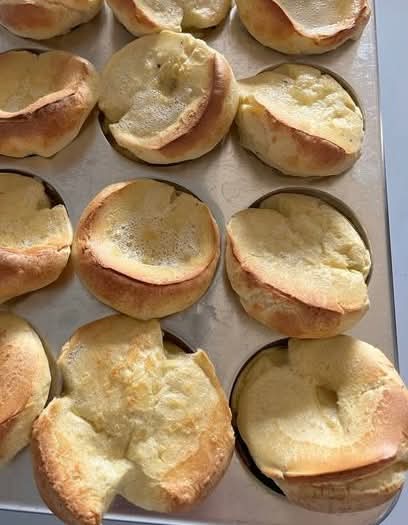
The Ultimate Guide to Perfect Yorkshire Puddings Crisp Golden and Hollow
The Yorkshire pudding stands as a majestic, edible testament to the magic of simple ingredients and high heat. More than just a side dish, it is a culinary icon—a crispy, golden-brown vessel with a soft, eggy interior, designed to hold rivers of rich beef gravy. For many home cooks, however, achieving that perfect, consistent rise with a deep, hollow center can feel like a mysterious art, leading to flat or soggy results. This guide demystifies the process, providing a meticulously tested recipe and technique for creating flawless Yorkshire puddings every time. We’ll explore the science behind the spectacular rise, the importance of resting batter, and the critical role of searing-hot fat. Whether you’re serving a classic Sunday roast, a holiday prime rib, or simply craving a savory treat, mastering the Yorkshire pudding is a rewarding skill that will elevate any meal from ordinary to extraordinary.
The Science of the Spectacular Rise: Why This Recipe Works
A Yorkshire pudding is not a cake or a bread; it is a popover. Its dramatic transformation from a thin, liquid batter into a towering, crisp pastry is a masterpiece of physics and chemistry. The key lies in the combination of a very simple batter (equal parts by volume of eggs, milk, and flour) and extreme heat. When the cold batter hits the blisteringly hot fat in the pan, the liquid at the bottom instantly vaporizes into steam. This steam rapidly expands, forcing the liquid batter up the sides of the tin and creating the initial lift. Simultaneously, the heat sets the protein in the eggs and the starch in the flour, forming a rigid structure that holds the shape as it bakes. The high oven temperature then crisps the exterior to a deep golden brown while the interior remains tender and moist. Resting the batter is non-negotiable; it allows the starch molecules to fully hydrate and the gluten to relax, resulting in a more tender pudding with better rise. This recipe adheres to these foundational principles with precision, guaranteeing the iconic puff and hollow center that defines a perfect Yorkshire.
The Simple, Sacred Ratio of Ingredients
Yorkshire pudding elegance comes from its minimalist ingredient list. Each one plays a specific, crucial role.
· Eggs: The primary protein source that provides structure and richness. They are the scaffold upon which the pudding rises. Large, room-temperature eggs are ideal.
· Milk: The liquid component. Whole milk provides the best flavor and fat content, contributing to browning and tenderness. The milk must be cold or at least cool when mixed to help create the necessary temperature shock.
· All-Purpose Flour: Provides the starch that gels and sets around the air bubbles created by the steam, stabilizing the rise.
· Salt: For essential seasoning. It enhances the savory flavor of the eggs and flour.
· Fat for Cooking: This is the engine of the process. Beef drippings from your roast are traditional and impart unparalleled savory depth. If you don’t have drippings, a high-smoke-point oil like vegetable, canola, or even goose fat is an excellent alternative. The fat must be smoking hot before the batter goes in.
Your Complete Ingredient List & Tools
Ingredients (Makes 12 standard muffin-sized puddings):
· 3 large eggs, at room temperature
· 1 cup (240ml) whole milk, cold
· 1 cup (120g) all-purpose flour
· 1/2 teaspoon fine sea salt
· 1/4 cup (60ml) beef drippings, vegetable oil, or goose fat
Essential Equipment:
· 12-cup muffin tin or a Yorkshire pudding tin (preferred for wider bases)
· Blender, food processor, whisk, and